

TL;DR
On August 27, 2026, five experts in clinical care, payer operations, pharmacy, health economics and interoperability discussed how final rule CMS-0057-F and proposed rule CMS-0062-P will change drug prior authorization. Watch the full 60-minute panel for practical guidance on what payers, providers, pharmacies, pharmacy benefit managers and pharmaceutical organizations need to do next, then use our self-assessment tool to map your readiness.

Key takeaways
- Interoperability requires more than compliant APIs. Yanick Gaudet, Star’s Interoperability Subject-Matter Expert, estimated that technology accounts for only around 20% of the work, with the remaining 80% involving workflows, data readiness, and organizational change. Vendors can enable data exchange, but they cannot redesign an organization’s processes for it.
- Drug prior authorization delays place patient care at risk. Dr. Jennifer Bepple explained that physicians spend an estimated 13 hours per week on prior authorization nationally, rising to 15–20 hours in some specialties. Despite that effort, patients can wait weeks for specialty drugs and may delay or abandon treatment altogether.
- Electronic submission does not automatically mean electronic decision-making. Dr. Arleisha Strauder noted that medical- and pharmacy-benefit drugs have historically relied on different systems, workflows, and transaction standards. Organizations therefore need an end-to-end drug prior authorization process that combines automation with benefit administration, clinical criteria, and human review.
- Compliance investment can create value beyond meeting the mandate. Rutvik Joglekar encouraged healthcare leaders to view modernization as more than a regulatory cost. More efficient prior authorization could reduce denials and administrative expense while supporting better treatment, shorter stays, and stronger patient retention, but organizations need to begin allocating budget before the 2027 deadline creates a delivery crunch.
- Readiness begins with understanding the current state. Mahesh Naphade advised organizations to assess how the mandates affect them, the inventory of the investments already made for CMS-0057-F, and identify the remaining gaps. Those findings can then be translated into a practical CMS-0062-P execution plan covering budgets, internal teams and trading partners.
CMS drug prior authorization requirements sit across two rules
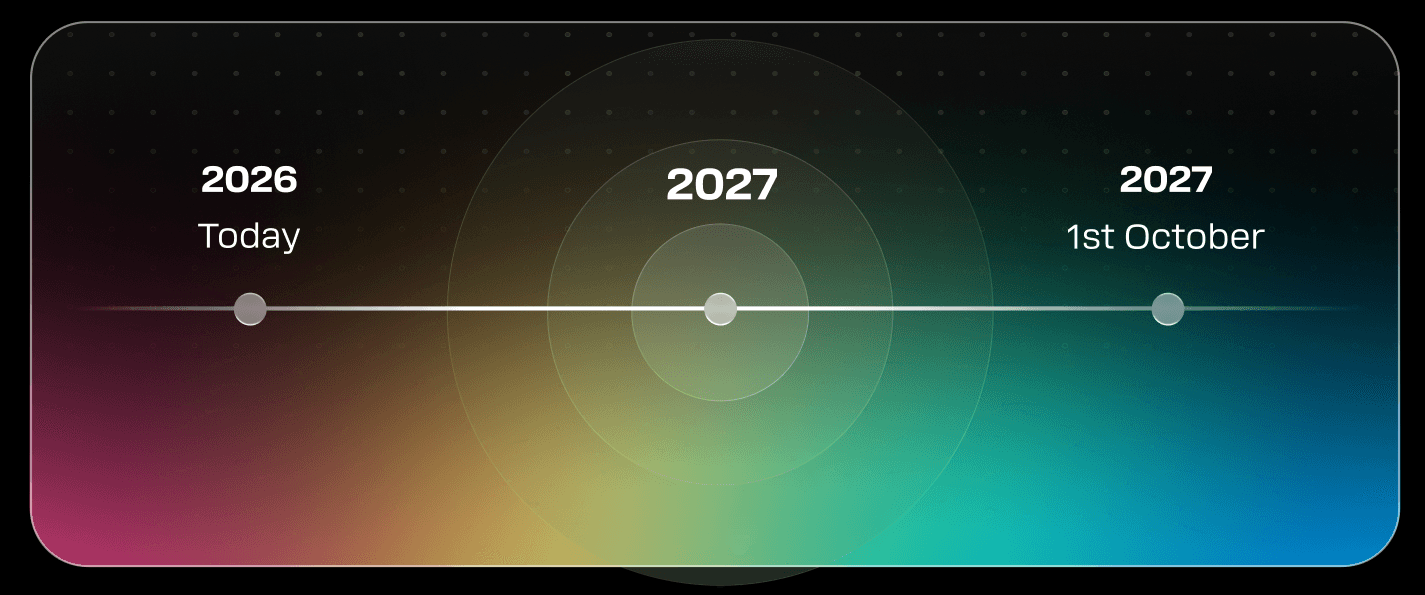
CMS-0057-F is the final rule covering prior authorization for non-drug items and services. Its operational requirements began in January 2026, including decision timeframes of 72 hours for urgent requests and seven calendar days for standard requests. Impacted payers must implement the required FHIR APIs beginning January 1, 2027.
CMS-0062-P remains proposed. It would extend electronic prior authorization requirements to prescription drugs covered under both the medical and pharmacy benefits, bringing FHIR and NCPDP standards into the same regulatory framework.
Key provisions are targeted for October 1, 2027, if the rule is finalized, with additional transparency requirements proposed for 2028.
Where does the drug prior authorization process break down?
The administrative burden is substantial, particularly for specialists managing high-cost therapies. Requests can move between clinical teams, payers, pharmacies and pharmacy benefit managers before a decision reaches the patient. Missing information or unclear requirements can add further delays.
Nationally, it was reported at 13 hours a week spent just on prior authorization. In a subspecialty, that can get up more like 15 to 20 hours a week.

Dr. Jennifer Bepple
Double board-certified urologist & clinical informaticist
Those delays affect more than staff capacity. Patients may wait weeks for specialty medications or essential imaging, and some abandon treatment altogether. Real-time coverage information could move more of the drug prior authorization process to the point of care, allowing clinicians and patients to discuss documentation requirements, coverage and alternatives during the appointment.
Why isn’t electronic submission enough?
A drug may be covered under the medical benefit in one situation and the pharmacy benefit in another. Those routes have traditionally relied on different systems, workflows and transaction standards.
Electronic submission does not automatically mean electronic decision-making, and clinical interpretation still may be required.

Dr. Arleisha Strauder
Managed Care & Prior Authorization Pharmacy Expert
Payers need an end-to-end process covering intake, data validation, criteria assessment, appropriate automation, clinical review, provider communication and reporting. Making the request electronic will not improve the outcome if it still reaches the wrong benefit, lacks the required clinical information, or enters an unsuitable review pathway.
Can platform vendors provide a turnkey solution?
Vendors can support compliant data exchange, APIs and implementation standards. They cannot determine how every organization should capture information, route requests or coordinate the people and systems involved.
The 20% is the technology part. The 80% is the workflow work.

Yanick Gaudet
Interoperability Solution Architect at Star
Organizations may also need to change how teams collect clinical data and supporting documentation before a request is submitted. Yanick estimated that a program of this scale could take 12 to 18 months from planning through implementation and testing.
How will specific denial reasons change appeals?
Structured clinical reasons could replace the generic denials that leave providers guessing what information or criterion is missing.
It removes the guessing game. When you get a structured, specific reason, it allows us to create targeted appeals instead of a blind resubmission.
Dr. Jennifer Bepple
Double board-certified urologist & clinical informaticist
More precise denial information could reduce the time clinicians and administrative staff spend investigating decisions. It could also help them judge whether an appeal is likely to succeed before committing further resources.
Why does public reporting matter?
Under the proposed rule, prior authorization performance would become more visible. Payers would need to understand their turnaround times, incomplete requests, requests for additional information, approvals, denials and escalations before reporting begins.
Public reporting changes the conversation because prior authorization performance becomes much more visible.

Dr. Arleisha Strauder
Managed Care & Prior Authorization Pharmacy Expert
Establishing an internal baseline now would help organizations identify whether delays stem from missing information, staffing, system performance, workflow design or criteria configuration.
When and how to prepare for CMS-0062-P
Organizations do not need to wait for CMS-0062-P to be finalized before assessing their current state. Existing CMS-0057-F investments may provide part of the technical foundation, but teams still need to map both drug authorization routes, identify gaps and plan the operational changes required.
Start making the shift now before you find yourself in a crunch next year.

Rutvik Joglekar
Healthcare Economist & Founder, RJ Health Analytics
The first step is to understand how the mandates affect the organization. From there, teams can review existing investments, identify what remains to be addressed and turn those gaps into a practical delivery plan.
Assess your CMS readiness
Not sure where your organization stands against CMS-0057-F and proposed CMS-0062-P? Use our free self-assessment tool to map your current drug prior authorization workflows, identify mandatory gaps, and estimate the teams and time needed to address them.
FAQ
Still proposed as of this webinar (Aug 27, 2026). CMS-0057-F is the final rule already in effect for non-drug items and services; CMS-0062-P would extend the same electronic prior authorization framework to prescription drugs, with a proposed compliance date of October 1, 2027. Organizations can start building against the proposed requirements now, but should watch for changes before the rule finalizes.