

In the automotive industry, how manufacturers define the customer experience not just inside the cabin, but also beyond the car, will shape how drivers experience and stay connected to the brand.
That matters because the automotive brand relationship is shaped across three moments: purchase, everyday use, and aftersales service. OEMs can strongly influence the first two. They can carefully design the showroom experience and invest heavily in in-car UX. Aftersales is different. Once the customer leaves the forecourt, service often unfolds across dealer networks, service centers, apps, call centers, and third-party touchpoints that can feel further removed from the brand.
Yet these are often the moments that shape loyalty most. Service interactions usually happen when something feels unclear, urgent, inconvenient, or expensive. A warning light appears before work. A routine check raises unexpected questions. A repair timeline becomes uncertain. In those moments, drivers are not looking for delight. They are looking for clarity, reassurance, and a sense that the brand is still in control.
Too often, that confidence breaks down. Many aftersales service models still rely on disconnected systems, inconsistent communication, and limited continuity across digital and physical touchpoints. The result is not just friction. It is an information gap that leaves customers feeling uncertain about what is happening, what it means, what it will cost, and what they should do next.
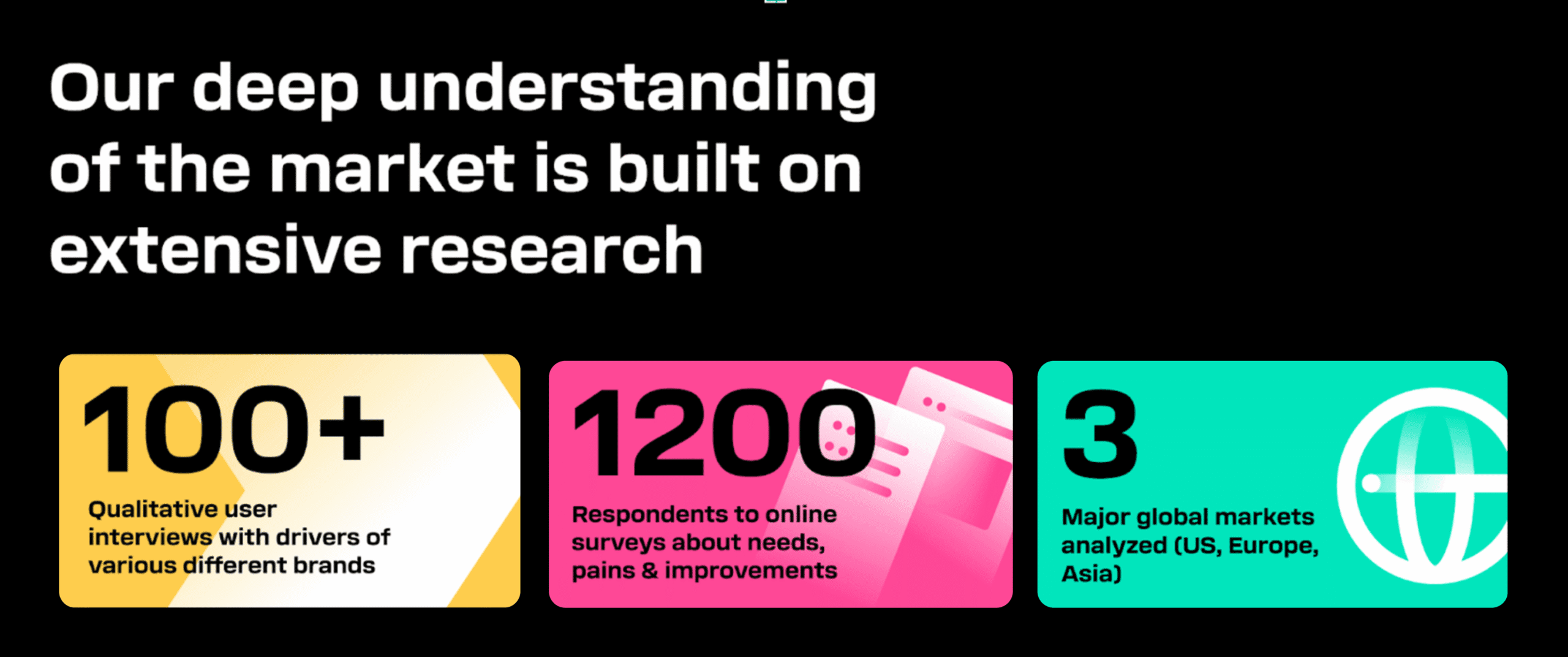
This article shares what we’ve learned from our own automotive tech projects at Star. Based on our research, I’ll outline six opportunities for automotive aftersales service to move from reactive maintenance to a driver of increased customer loyalty.
Why automotive OEMs are losing customer loyalty in aftersales
The core problem for automotive OEMs is not simply that aftersales service feels inconvenient. It is that the service journey across dealers, workshops, apps, call centers, and partner networks often feels fragmented, unclear, and hard for customers to navigate.
Fragmented journeys across channels and partners
A customer might book through an app, receive updates by text, speak to a call center, and then arrive at a dealership or workshop that does not appear to share the same context. Information gets repeated, and handoffs feel manual.
For the customer, these distinctions do not matter. They experience the journey as one brand relationship. When the service journey feels disjointed, trust in the brand weakens, even if each touchpoint is working as intended in isolation.
An information gap around vehicle health and urgency
Connected vehicles can generate increasingly rich diagnostic and usage data, but that does not automatically create a better service experience. The issue is often not the absence of data, but the gap between what the vehicle or service ecosystem knows and what the customer can meaningfully understand.
Drivers are often left asking basic questions: Is this serious? Can it wait? Is it safe to keep driving? What exactly am I being asked to approve? When those questions are not answered clearly, customers operate in an information deficit. That deficit creates uncertainty, and uncertainty erodes trust.
Reactive handling of scheduled and unscheduled service needs
Scheduled servicing and unexpected maintenance create different emotional contexts, but many service models handle both in similarly transactional ways.
Routine servicing can still feel disruptive if booking, drop-off, approvals, and progress updates are poorly coordinated. Unscheduled issues create even more pressure, because the customer may already be anxious about safety, cost, and how quickly they can get back on the road. In both cases, delayed communication and unclear next steps make the brand seem reactive rather than in control.
Limited personalization in the moments that matter
Customers increasingly expect services to reflect their real context, not just their name and vehicle model. In aftersales, that means offering experiences that adapt to location, schedule, urgency, mobility needs, and preferred channels.
This is also where digital touchpoints create new opportunities. Companion apps, service portals, and connected notifications can help brands stay meaningfully connected to customers after purchase, but only if they are used to create relevant, timely, low-friction support rather than generic reminders or promotional noise.
Inconsistent brand experience beyond the vehicle
Many OEMs have invested heavily in brand, UX, and product experience up to the point of sale. But aftersales often still feels like a different system with a different tone of voice, logic, and level of care. That disconnect is especially damaging because it appears at moments when customers are already less confident and more dependent on the brand to guide them.
TL;DR: Loyalty drops when aftersales feels like a series of disconnected transactions rather than a clear, coordinated relationship. The biggest issue is not just service friction. It is the loss of trust created by poor continuity, limited transparency, and an ongoing information gap between the brand and the driver.
What EV and connected-car customers value in aftersales
For today’s drivers and vehicle owners, aftersales service loyalty is increasingly shaped by a small set of expectations that have become standard in other industries and now feel non-negotiable for automotive too. EV drivers, connected-car users, and younger digital-first customers increasingly expect the same service basics they receive elsewhere. For example, in the airline industry, real-time updates and personalized customer service have become the norm, ensuring passengers feel informed and valued. Similarly, in banking, customers experience seamless digital transactions and tailored financial advice, setting a high bar for customer satisfaction and loyalty. These cross-industry shifts illustrate that modern consumers anticipate similar standards in automotive services, reinforcing the urgency for change.



Experience-led loyalty
For many drivers, aftersales service is the real test of a brand relationship. When servicing is consistent and easy to navigate, it reinforces trust. When it is fragmented or hard work, it becomes the moment customers decide they will not come back.
Predictive peace of mind
Proactive care is becoming a meaningful differentiator, because customers value early warning with clear guidance, and service that feels like it prevents disruption rather than reacts to it.
Transparent relationships
Customers want clarity about what is happening, and why, what it will cost, and when they will be back on the road. Transparent updates and plain-language explanations reduce anxiety and make service feel controlled rather than uncertain.
Connected ecosystems
Loyalty is increasingly influenced by how well everything fits together: vehicle health, servicing, charging, and digital touchpoints. The more connected the experience feels, the more “sticky” the brand becomes. To a customer, switching brands would mean giving up continuity and familiarity.
Digital convenience, especially for younger drivers
Younger customers are less tolerant of friction and less willing to accept the inherent inconvenience of servicing. They expect self-service and easy booking, with clearly communicated real-time status updates, because digital-first service has made that the default baseline.
The pain points run deeper than price
It is tempting to assume that customers are shopping for service based solely on price. In reality, many of the strongest friction points are emotional and practical:
Trust: Can I rely on the workshop to do the right thing, and explain it clearly?
Friction: Why does routine maintenance disrupt my life so much?
Transparency: What is happening to my vehicle, and why is it necessary? What is driving this cost, and where do I have visibility or choice?
Safety and reassurance: Am I being looked after, or am I left guessing?
When these needs go unmet, they shape long-term brand perception. Customers view transparency and preventative guidance as signs that a brand is competent and worth their loyalty.
Technology has largely caught up with customer expectations, but the limiting factor is not capability. It is orchestration on how the journey comes together to create an experience that customers perceive as proactive care. Engagement often declines after the warranty period, when customers most need ongoing support and credibility.
Six opportunity spaces for OEM leaders in the automotive aftersales service industry
Our work across mobility markets reveals six opportunity areas that can transform aftersales service in the automotive industry from reactive maintenance to proactive, ecosystem-driven experience design.
1. Confidence building maintenance journeys
The opportunity isn’t simply to predict faults earlier. It is to close the knowledge gap that makes service interactions stressful in the first place. Customers do not need more technical signals. They need clearer guidance. When a warning or maintenance need appears, explain what it means in plain language, indicate the likely level of urgency, and offer realistic next steps. For example: can the customer continue driving, book later in the week, or should they act now? What are the trade-offs? What happens if they wait?
Done well, this turns maintenance from an anxious, unclear experience into a more controlled one. The value lies in confidence-building, not just prediction.
2. Smart living ecosystem
For EV drivers, aftersales service is inseparable from charging routines and energy decisions. If support is spread across separate locations, the customer experiences it as fragmentation, even when the underlying responsibility lies with different partners. The opportunity is to design one coherent ownership layer that connects service with charging support and the tools people actually use to plan their mobility. In practice, this means reducing handoffs: the customer should not have to determine whether a problem belongs to the vehicle, the charger, or the network before they can get help.
3. Flexible ownership and upgrade transparency
Customers are increasingly exposed to subscriptions, feature upgrades, service packages, and more flexible forms of ownership. These can create value, but only when the terms are easy to understand and the customer feels in control. The opportunity here is transparency. Make it obvious what is included, what changes over time, what can be upgraded, what it costs, and how choices affect the ownership experience. Customers should feel informed, not locked in or surprised.
4. Community and belonging
Aftersales service can foster advocacy, but only when it delivers genuine value and respect. If it exists mainly as a marketing channel, customers sense it instantly and disengage. The most effective examples look more like education and recognition than promotion, such as owner guidance that prevents common issues or local experiences that build confidence in how the vehicle should behave. Help your customers feel competent, and they will naturally become your biggest brand advocates.
5. Data-driven personalization and loyalty design
Many loyalty programmes feel generic because they reward spending rather than meeting meaningful needs. Instead, use vehicle and service data in a way that remains transparent and defensible. The most credible reward systems reinforce trust-building behaviour, such as timely care or safer ownership outcomes, rather than nudging unnecessary purchases.
6. Emotional ownership journeys
This aspect is often overlooked, yet it can strongly differentiate a brand because aftersales service in the automotive industry frequently happens at moments of anxiety. Your customer is not looking for a feeling of delight; they want clarity. Design service journeys that remove silence and surprises. Translate post-service summaries into human language so that customers understand what was done and how it affects their safety.
How to address customer experience changes in the automotive industry
If you are leading automotive aftersales service transformation, the challenge is not simply to add features but to redesign the service relationship so it feels consistent and proactive. As much as possible, integrate the experience across channels and partners.
In practical terms, this often means focusing on three shifts:
- Build continuity journeys from service events to service journeys so customers do not fall into channel gaps
- Convert data insights into clear actions customers can take to reduce disruption
- Turn siloed delivery into a connected brand experience in which customers can clearly see ongoing value
How Star supports aftersales service and improved customer experience in the automotive industry
Aftersales service and loyalty transformation works best when it starts with real customer behavior rather than internal assumptions about what drivers should do. At Star, we don’t start from scratch. We’ve synthesized years of cross-industry delivery into a suite of tried-and-tested solutions. By codifying the elements that drove our most successful projects, we provide our partners with a foundational blueprint that minimizes risk and accelerates time-to-market.
That work can include journey mapping across dealer and digital touchpoints, service experience strategy, platform and ecosystem design, and the development of clearer ownership experiences that reduce uncertainty rather than add complexity.
A useful lens here is Star’s Lens approach to meaningful innovation: understanding where user needs, business priorities, and technology opportunities intersect, then using that perspective to shape solutions customers can trust, and teams can realistically deliver.
If you want to turn aftersales service into customer loyalty, talk to Star about identifying the moments that drive drop-off. We can help you define the endgame, map the journey backward, and build the capabilities required to make it real.
FAQs
It is the most frequent post-purchase touchpoint, where transparency, convenience, and trust are repeatedly tested.