The bridge between technology and experience
Enterprise AI product development services
Most enterprise AI sits beside the business: pilots, assistants, and dashboards that impress but change little.
Star’s AI development services take AI from idea to production. We combine AI product development, custom AI development, and agentic systems engineering to create products that improve revenue, efficiency, and the customer experience.

AI PRODUCT STRATEGY & DISCOVERY

GENERATIVE & AGENTIC SYSTEMS
GOVERNED BY DESIGN

AI-NATIVE DELIVERY
Why enterprise AI development needs a different approach
Many enterprise AI initiatives stall between proof of concept and production because the surrounding system was not designed for AI. The data, architecture, integrations, governance, and user experience cannot support reliable operation at scale.
The market is now sorting companies by exactly this difference. BCG estimates AI agents already account for about 17% of total AI value and expects that to reach 29% by 2028, and that a third of leading companies are deploying agents today, compared with 12% of those still scaling AI. Gartner projects that by 2035, the market leader in at least one industry will be an autonomous business. The gap is not between companies that have AI and companies that don’t. It is between AI beside the work and AI inside it.
Solving these AI adoption challenges requires an AI product mindset. A model is a technical capability. A product is something your organization and customers can trust, operate, and build value on.
Star connects business strategy with technology execution, helping teams design AI around real workflows, existing systems, and measurable outcomes. Responsible AI governance is built in from the start rather than added after deployment.
Where progress gets built
300+ products shipped across more than 12 industries
From connected platforms to production AI systems, for leaders in healthcare, automotive, fintech, and media.
Proof of concept in one week
Star’s AI-native delivery engine compresses validation from months to days. Working POC in one week; MVP to market in 8–12 weeks.
1,000+ experts across 10 countries
AI engineers, data scientists, ML platform specialists, experience designers, and domain experts working as one cross-functional team.
500M+ end users impacted
AI products built to handle real scale. Production systems that survive real usage, not just demos.
Trusted by leaders in regulated industries
Governance, security, and compliance guardrails embedded from the first architecture decision, not added in the last sprint.
What we mean by “AI product” — and the architectures behind each
AI covers several product and architecture types. Choosing the right one depends on the problem, operating environment, and level of autonomy required.
Star is not a generic generative AI services company tied to one model or framework. We select the simplest architecture that can reliably deliver the required outcome.
Tech stack (short, not exhaustive): Frameworks: TensorFlow, PyTorch, and the modern LLM/agent toolchain. Cloud: AWS, GCP, Azure. MLOps: MLflow, Kubeflow. Protocols: Model Context Protocol (MCP) for agent–system integration.
AI-enhanced digital products
Existing applications made smarter through recommendation, classification, scoring and forecasting. Our AI app development services and machine learning app development services add intelligence without unnecessarily rebuilding the entire product.
Generative AI experiences
Copilots, assistants and content systems powered by large language models and multimodal foundation models. Our generative AI development services account for structured outputs, evaluation, security, cost, and latency.
Reliable performance also depends on how information reaches the model. Learn why context engineering is becoming essential to enterprise AI.
Agentic AI systems
Agents and multi-agent workflows that plan, act and coordinate across enterprise tools. Our AI agent development services combine retrieval-augmented generation, orchestration, explicit permissions and human oversight.
Explore what agentic AI architecture requires in production
For a broader comparison, read AI agents vs. agentic AI ecosystems.
Predictive and data products
Predictive analytics, forecasting and decision-support products that turn enterprise data into usable insight.
End-to-end AI product development services for enterprise
Star brings together strategy, architecture, engineering, experience design and governance across three connected capability groups.
MCP integration & architecture
Connect agents securely to enterprise platforms, data and tools.
Multi-agent AI systems
Coordinate specialist agents and tools across complex enterprise workflows.
Agentic workflows & orchestration
Redesign tasks, decisions and handoffs around AI.
AI agent development
Build agents with defined permissions, traceability and human oversight.
LLM systems & RAG
Build enterprise knowledge systems, copilots and retrieval-augmented applications.
End-to-end AI application development
Deliver AI products across web, mobile and enterprise platforms. Our AI ML development services cover model integration, context engineering, performance optimization and production deployment.
AI product strategy & discovery
AI consulting services covering use-case selection, ROI and build-vs.-buy decisions.
MLOps & continuous optimization
MLOps consulting, deployment pipelines, monitoring and model lifecycle management.
Explore how harness engineering is changing the operating model for AI-driven software development.
AI UX & product design
Design human-agent experiences people can understand, trust and control.
Governance, security & AI quality engineering
AI testing services, security, compliance and continuous evaluation.
Our AI product development process
Six connected stages reduce uncertainty and prevent early architecture decisions from limiting future scale.
| Stage | What happens | How it happens |
|---|---|---|
| 1 Discovery & business case | Define the use case, users, desired outcomes and expected ROI. | Workshops, use-case selection, ROI estimation. We validate the endgame before anything is built. |
| 2 Data assessment & preparation | Evaluate data quality, access, privacy and readiness. | Data audit, gap analysis, ethics and privacy considerations — the honest conversation about whether your data can carry the product. |
| 3 Experience & solution design | Design the architecture, user journeys, human oversight and success measures. | UX, user journeys, success metrics. AI-first experience design grounded in the HAI Model. |
| 4 Prototyping & MVP delivery | Deliver a working proof of concept in one week and an MVP in eight to 12 weeks for suitable scopes. | Working proof of concept in one week. MVP to market in 8–12 weeks. Full products typically 6–12 months, scoped honestly up front. |
| 5 Productionisation & integration | Connect the product to existing systems and implement security, testing and observability. | CI/CD for models, integration with existing systems, performance and security testing. |
| 6 Monitoring, governance & continuous improvement | Track performance, cost and quality while improving models, data and guardrails. | Retraining, performance monitoring, guardrails — AI products that keep earning their place in the operation. |

What influences AI product development cost?
AI development cost depends on five factors: problem complexity, data readiness, integration requirements, compliance obligations and deployment scale.
Engagements typically progress from proof of concept to MVP and full product. Each stage reduces uncertainty and creates a clearer basis for the next investment decision.
Where is your organization on the AI journey?
Take Star’s five-minute AI journey assessment to evaluate your data readiness, workflow integration, governance and adoption.
You will receive a maturity stage, a summary of the main gaps and practical next steps.
Whatever your stage, our enterprise AI solutions support enterprises and scale-ups building AI-first products, teams adding AI to established platforms and organizations moving pilots into production. These AI solutions for enterprise connect technology decisions with real operating needs, while our broader AI solutions for business support product innovation and operational improvement.
Stage 1: Business optimization
Automate existing workflows. We pilot high-ROI use cases fast — proof of concept in one week.
Stage 2: Business transformation
Redesign operations around AI. We architect AI-native platforms with reusable components built for scale.
Stage 3: AI-native business
Products where AI is core, not a feature. We deliver production-grade AI systems with governance built in.
Stage 4: Autonomous enterprise
Self-learning, adaptive systems. We build multi-agent orchestration and continuous optimization infrastructure.
AI product development across industries
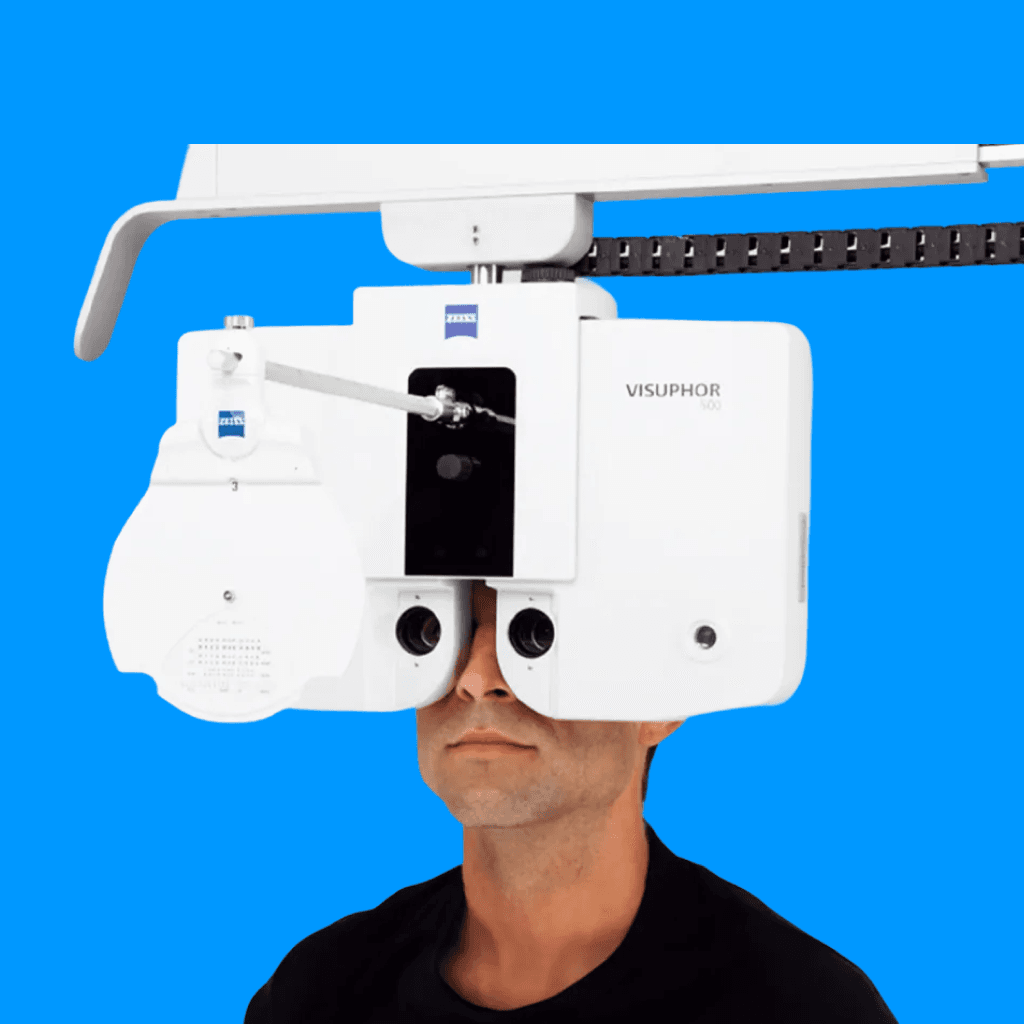
Healthcare & Life Sciences
Regulated AI deployment, clinical workflows, connected platforms and predictive diagnostics.
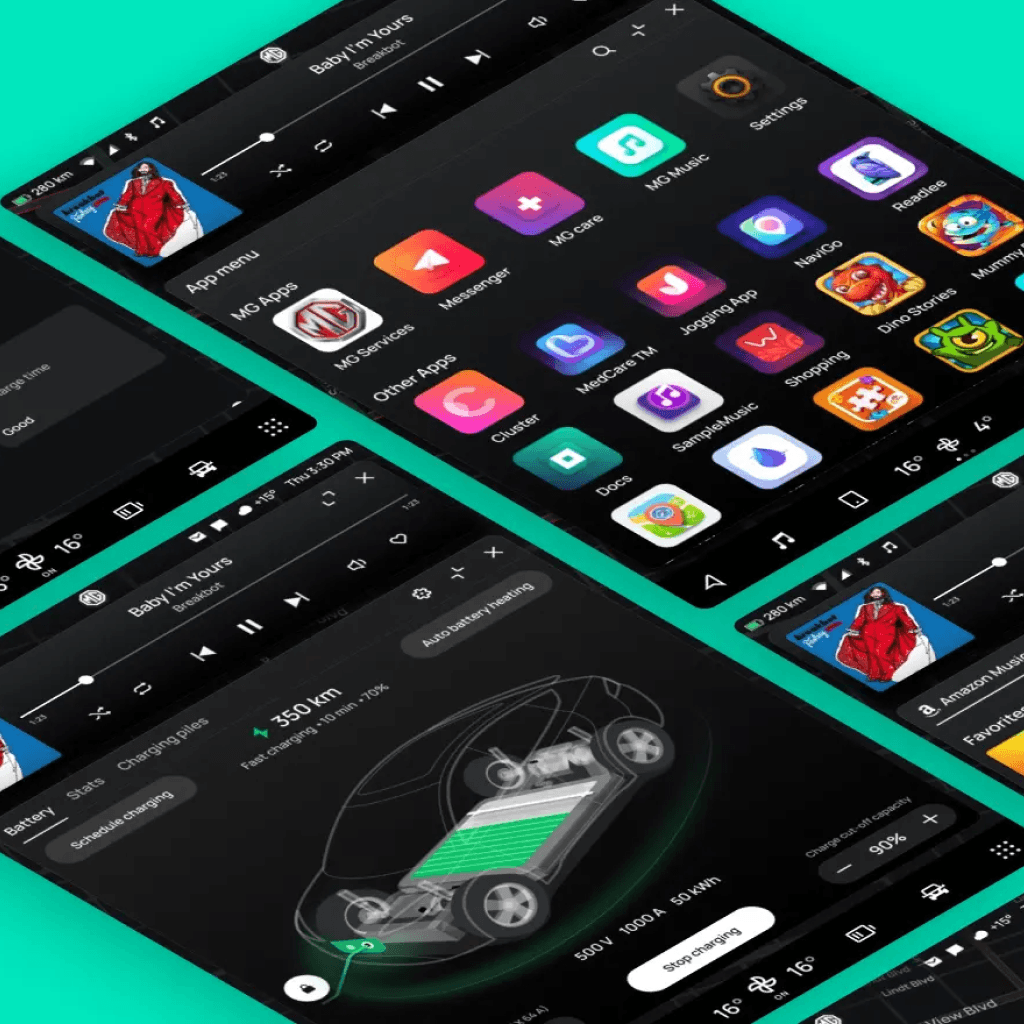
Automotive & Mobility
In-vehicle AI, voice assistants and connected customer experiences.
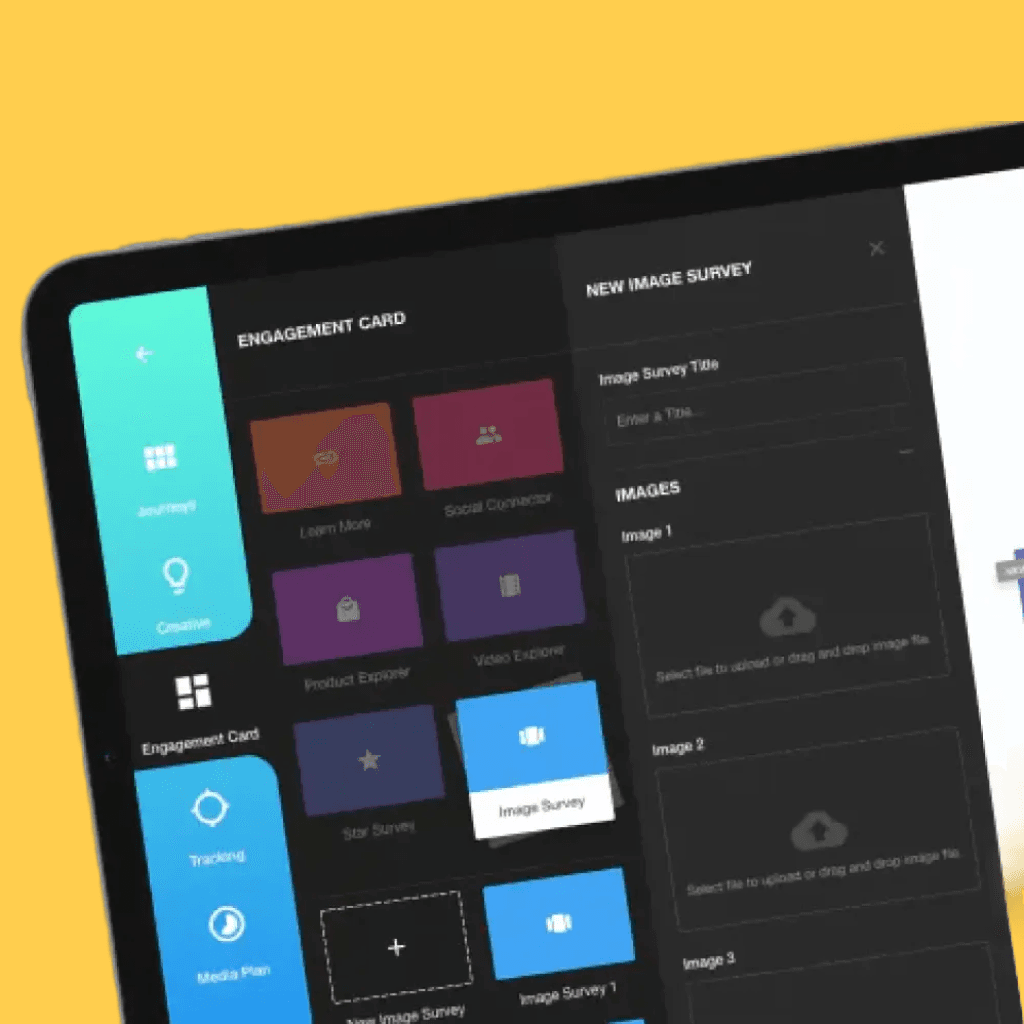
Media & Advertising
Agentification of campaign planning, activation, optimization and reporting.
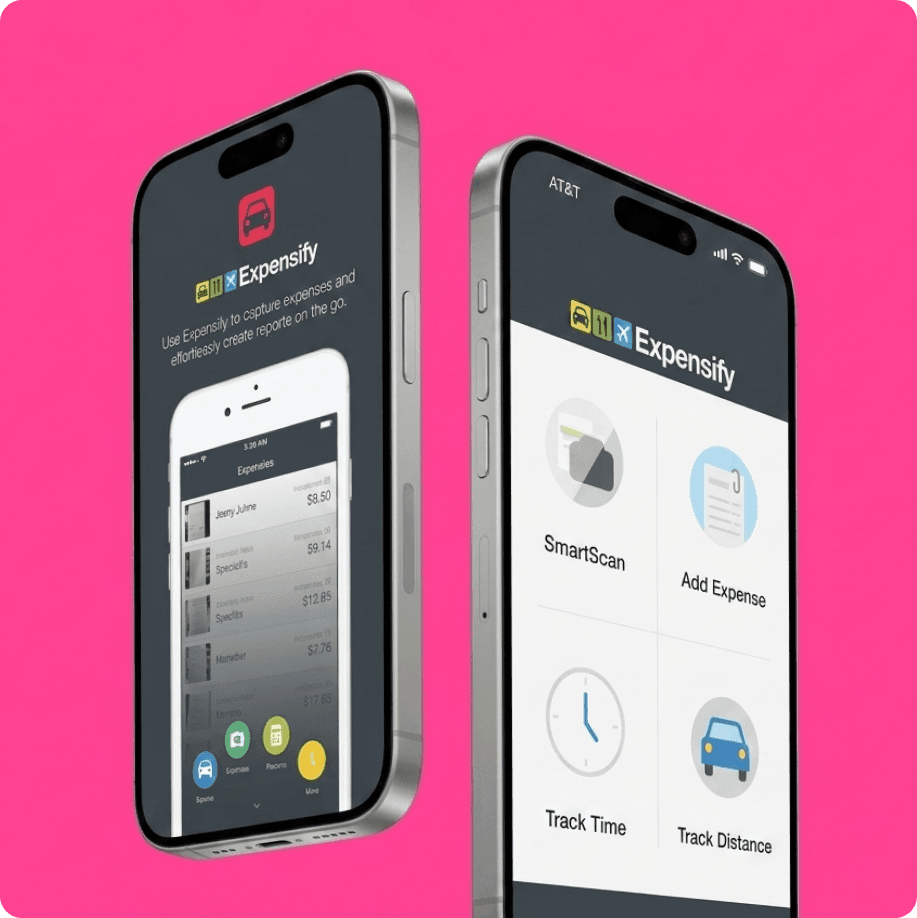
Financial Services
AI-powered risk and fraud detection, regulatory-compliant AI deployment, intelligent decisioning.
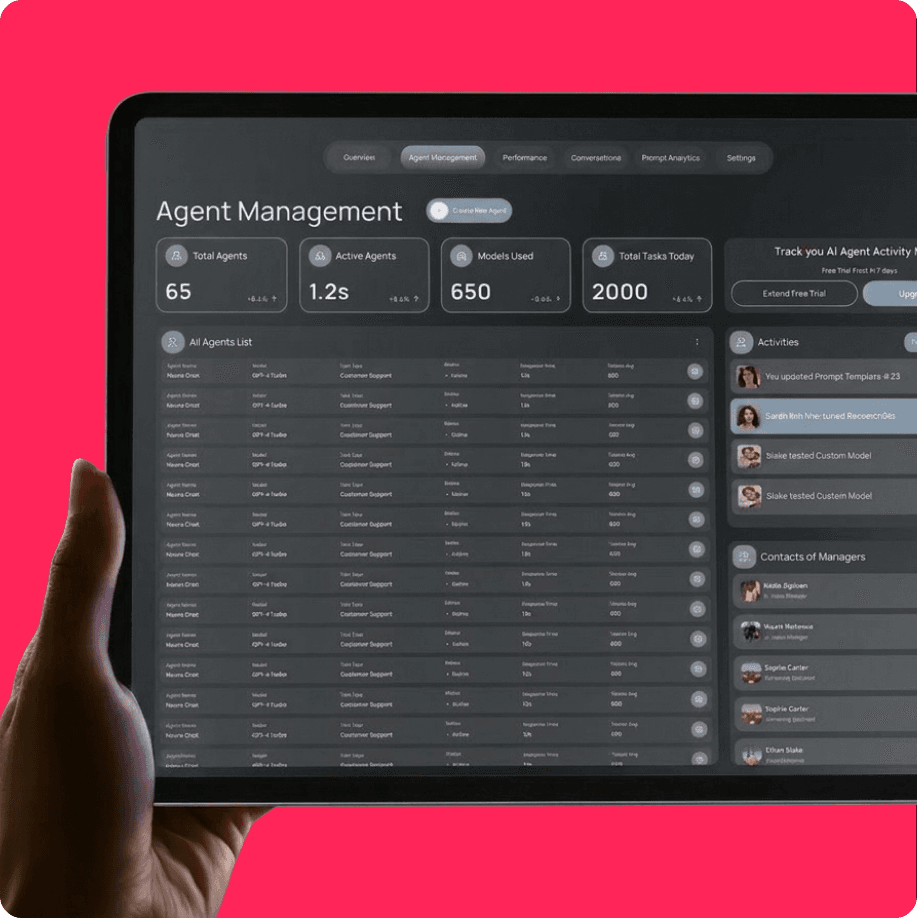
SaaS & Tech
LLM features, recommendation systems and agentic workflows embedded into digital products.
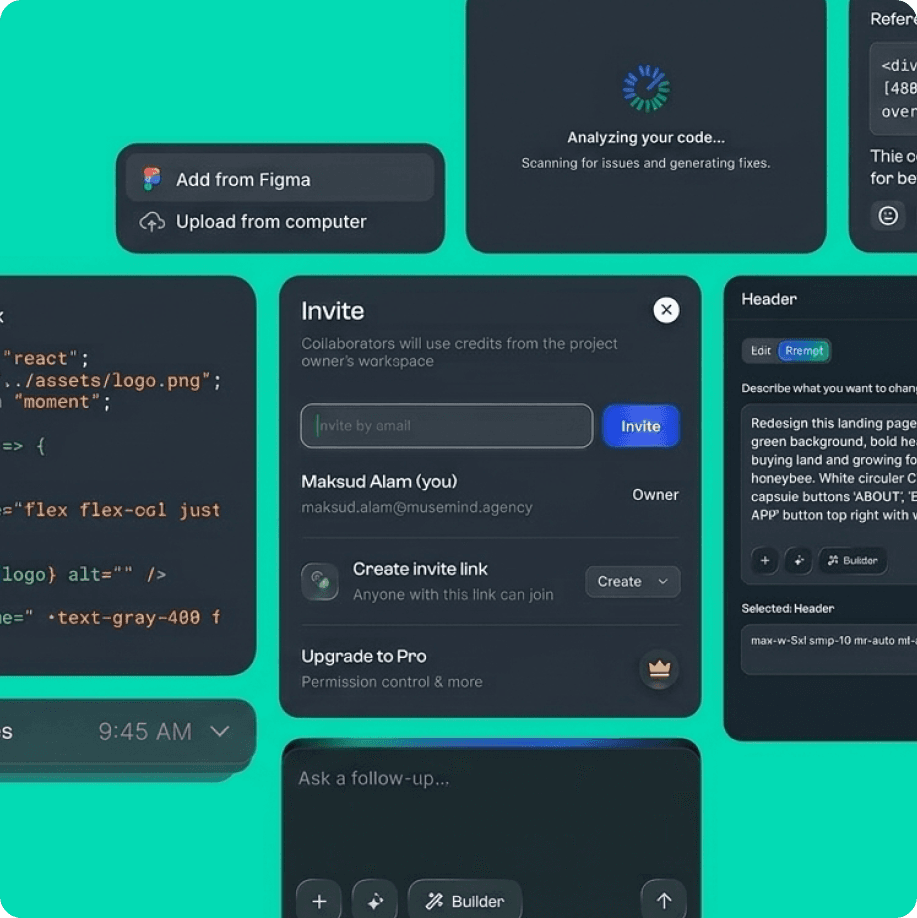
Developer Tooling
AI-assisted development environments and AI-native engineering tools.
Governed, secure AI products by design
The Star Human-Agent Interaction (HAI) Model guides how we approach human-agent interaction as systems become more autonomous.
It puts human values, safety, control, transparency and traceability at the center of AI product design. These principles also shape our approach to AI user experience.
In practice, this means:
- Clear permissions, responsibilities and escalation paths
- Human control with revocable delegation
- Privacy and security by design
- Explainability, testing and continuous monitoring
- Alignment with relevant frameworks, including ISO 42001, the EU AI Act, NIST AI RMF, GDPR and SOC 2
We treat cybersecurity in AI as an architecture requirement. Securing AI systems cannot be left until the end of delivery.
AI products and foundations we’ve already delivered
Technical brilliance meets business outcomes. The result? A future-proofed architecture that drives Monavate’s edge in helping customers launch seamless, customer-centric payment solutions worldwide. Read more in this case study.
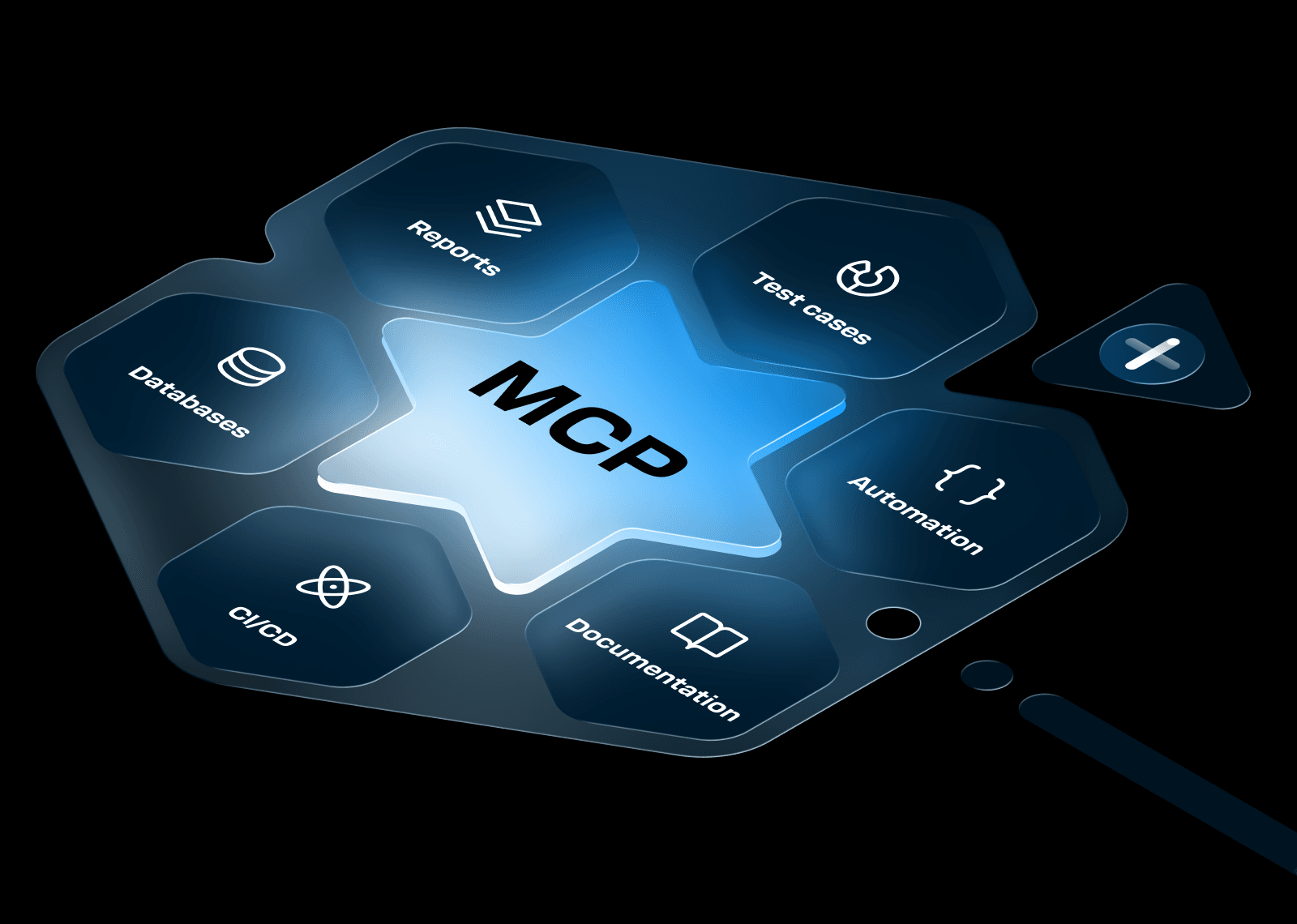
Learn how to build a custom MCP server that connects AI agents to TestRail, reducing QA documentation time and unlocking agentic engineering workflows.
Technical brilliance meets business outcomes. The result? A future-proofed architecture that drives Monavate’s edge in helping customers launch seamless, customer-centric payment solutions worldwide. Read more in this case study.
Learn how to build a custom MCP server that connects AI agents to TestRail, reducing QA documentation time and unlocking agentic engineering workflows.
Ready to build or scale your AI product?
Whether you have a defined roadmap, a promising pilot or a complex problem to solve, Star connects business strategy with technology execution.
Together, we can define your endgame and build an AI product that operates inside the business, not beside it.
FAQs
Faster than the industry default — and we can prove it stage by stage. Star’s AI-native delivery engine produces a working proof of concept in one week, an MVP in 8–12 weeks, and full production AI products typically within 6–12 months, depending on integration and compliance scope. The honest variable is rarely the model: it is data readiness and the number of systems the product must integrate with. Our AI product development services start with a discovery stage that scopes both, so the timeline you get is one delivery can actually keep.