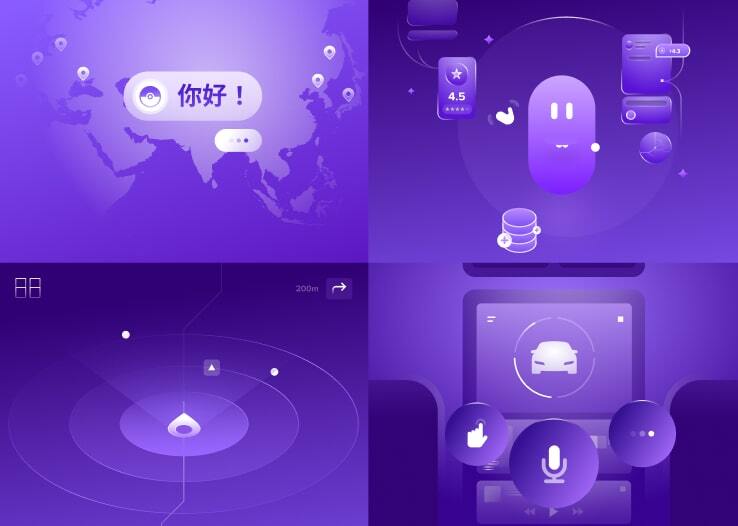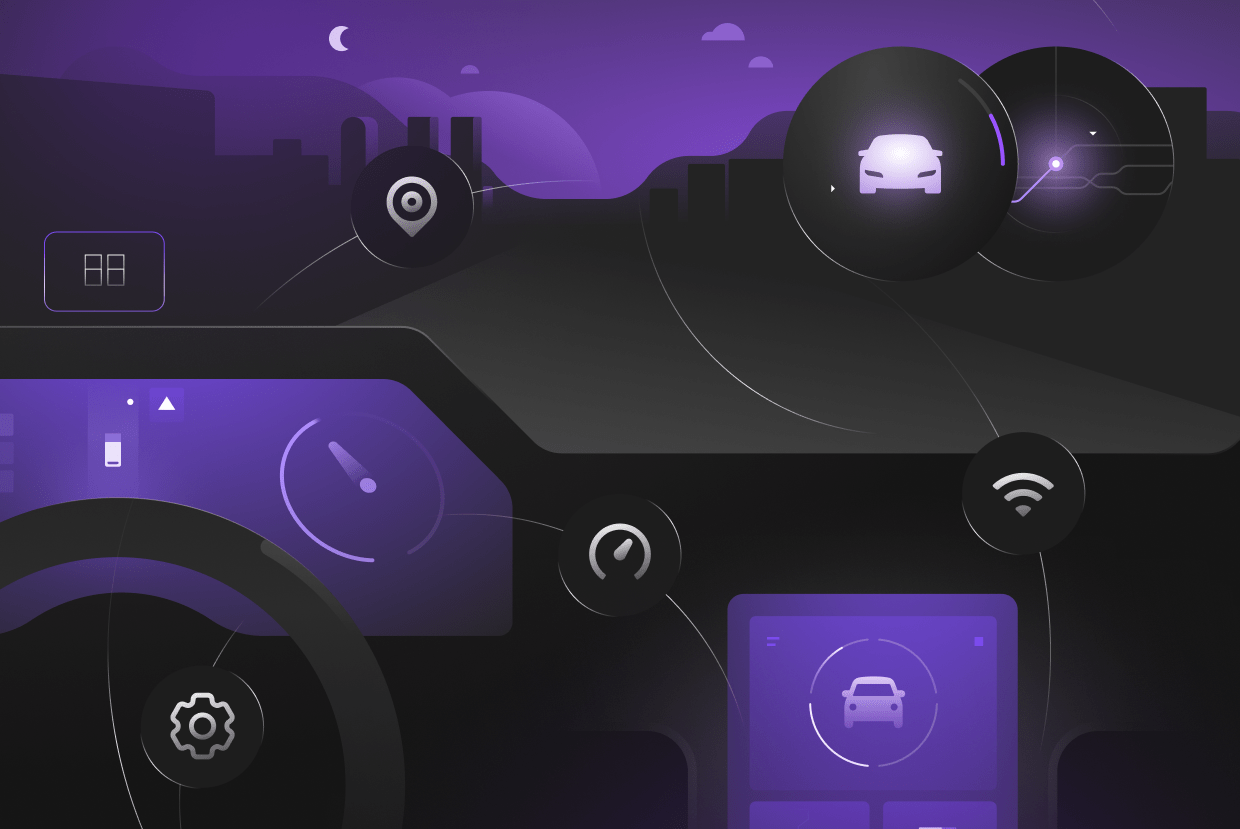
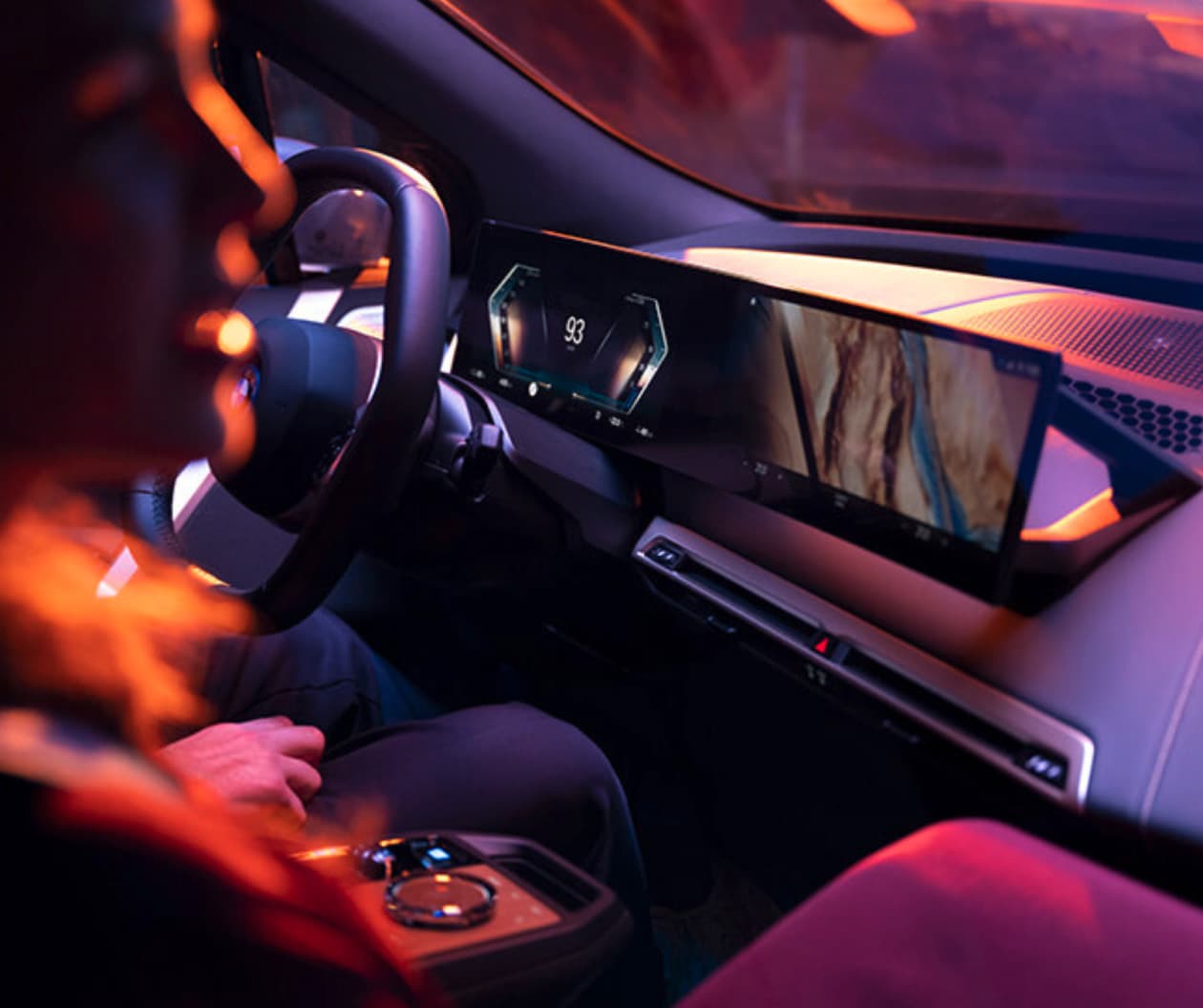
We’ve entered a new era of automotive human-machine interface (HMI) development. Driver expectations, new technologies and emerging HMI trends have radically shifted, creating new considerations for HMI in automotive.
The pace of automotive HMI technology evolution is only accelerating. What was considered pioneering just a few years ago is now the norm in the era of the software-defined vehicle era we’re in. Modern vehicles require advanced HMI technology and development solutions that harness these new capabilities to deliver safer, more intuitive and more personalized experiences.
Because of this, automotive manufacturers are deploying a range of HMI technologies to improve the in-car experience, including driver monitoring, AR interfaces, multi-modal interiors and in-car assistants. In the coming years, focus areas of growth will include multimodal interaction (speech, gesture, touch, gaze and haptics), agentic and LLM-powered AI systems, context-aware HMI, adaptive interfaces and safety-first interaction models that minimize distraction.
In this article, we'll explore automotive HMI development, the HMI technologies disrupting the market, design challenges OEMs are facing and what we can expect from the future of in-car design.
What are the latest technologies and trends shaping car HMI development?
The automotive sector is increasingly converging with existing consumer digital ecosystems. This places pressure on the car HMI development industry to keep up with technology trends and changes, including the expectation for connected vehicle systems, over-the-air (OTA) updates and loveable digital services.
In other words, drivers and passengers want their car HMI to be as intuitive (and connected) as their smartphones except now the bar has risen. Due to this, most OEMs and automakers have begun to scale their own HMI capabilities — like extending Android Automotive with custom UI layers — to better serve their users rather than simply rely on Apple or Google.
Another mass market trend impacting the development of automotive HMI is consumer demand for hyper-personalization and individualism. As vehicle sharing and subscription models increase in popularity, historical factors for purchasing cars — like brand recognition, horsepower, etc — are no longer as important as considerations like personalized user profiles. Vehicles now need to recognize individual users, load personalized settings automatically and deliver consistent experiences across touch points.
Automakers also need to build new systems for transparent asset management, vehicle updates and seamless customer communication all within an SDV environment.
In terms of design direction, visual HMI development is becoming more personalized and adaptive. For example, we worked with SAIC to create a streamlined and intuitive UI experience that scales across its global brands. It allows users to easily leverage digital services that can be updated via post-purchase, OTA updates. Its minimalistic design approach means drivers aren’t distracted or hindered by too many bells and whistles.
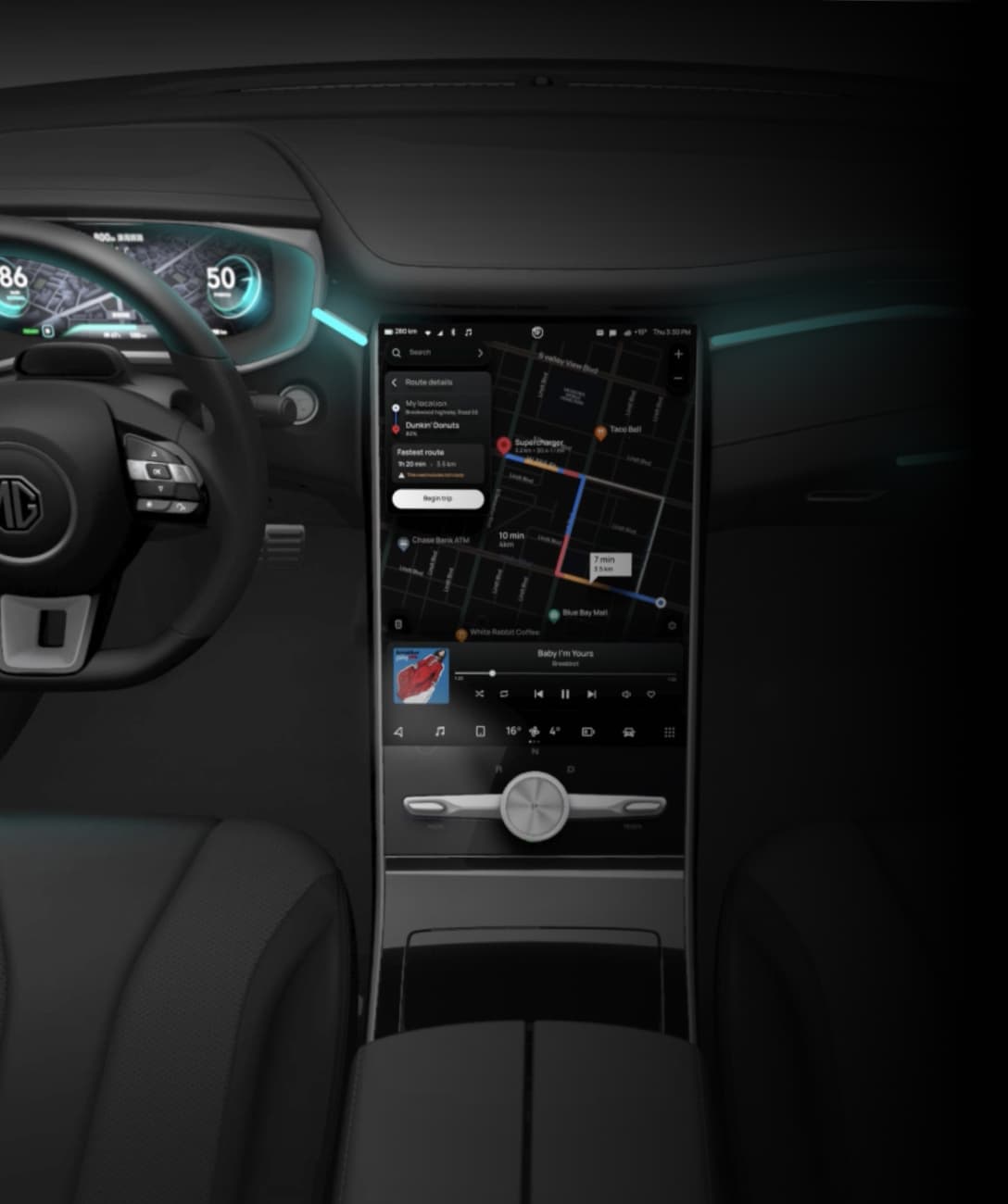
As innovative as it was at the time, minimalist UI is now giving way to dynamic, adaptive UI that changes based on driver attention, task complexity and automation. And while OTA updates are still the gold standard, the tech is expanding to continuous feature delivery and AI improvement loops.
Last but not least, voice and AI-driven interaction continue to evolve rapidly. Agentic AI–powered copilots are emerging as a core part of the in-car experience, supporting everything from navigation and communication to vehicle control and proactive recommendations. And AR-enhanced visuals, spatial cues and contextual overlays are also contributing to more immersive, informative and safer driving experiences.
An example of the power of intelligent AI voice assistants is Nomi, a pioneering in-car voice assistant co-created by Star and the NIO UI/UX team. Nomi is a personalization of the vehicle’s intelligence, presented in a charming digital interface that doesn’t distract the driver — a concept that continues to inspire the industry as newer generations of AI assistants emerge.
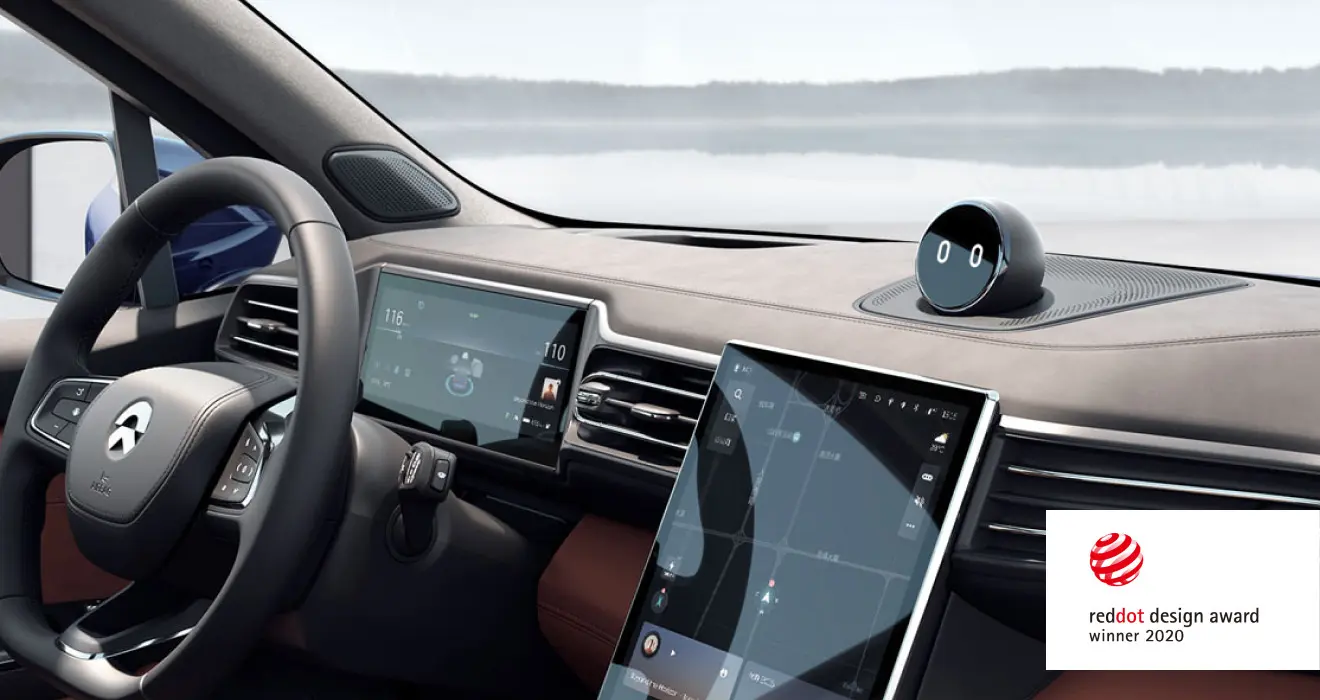
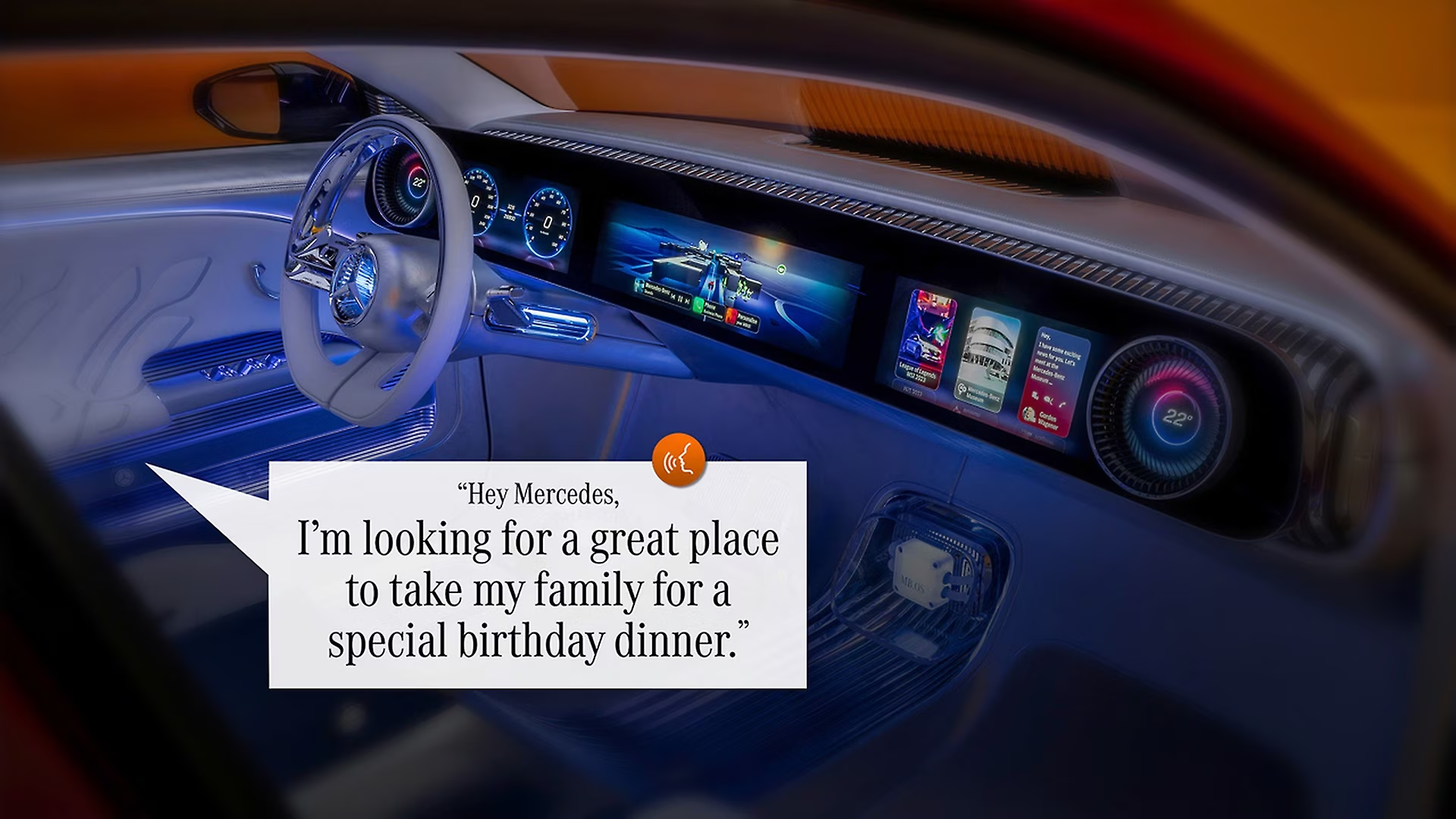
NIO has since released newer versions of NOMI as it continues to delight users and leading names like Mercedes have taken it a step further with their advanced MBUX Virtual Assistant, an LLM-powered AI agent capable of providing detailed and personalized conversational responses.
What are the challenges of automotive HMI development?
One of the biggest challenges in car HMI development is orchestrating the enormous amount of data generated by modern vehicles. Turning this multimodal data (driver-monitoring systems, sensors, connectivity features and in-cabin intelligence) into meaningful, real-time experiences requires advanced data architecture, machine learning and deeply integrated engineering & design capabilities. It’s imperative that personalization is delivered at scale.
OEMs and their vehicle HMI technology partners also need to leverage in-car connectivity and the contextual data at their disposal to enhance safety and comfort, without distracting the driver. Building user trust is critical, especially as assisted driving and autonomy evolve. Remember, drivers will only take their hands off the wheel unless they trust in the safety of their vehicles.
Smart HMI software development through transparent state communication, explainable system behavior, adaptive interfaces and intelligent voice assistants all help increase user confidence in these advanced features
A broader industry challenge is the need for seamless integration across the expanding mobility and software-defined ecosystem, from cloud services and digital marketplaces to cross-device experiences. This all needs to adhere to evolving regulatory requirements like the General Safety Regulation and General Product Safety Regulation. Collaboration, platform strategy and scalable technology integration are central to solving this.
What’s the future of automotive HMI development?
Vehicle HMI development will continue to be a key differentiator as competition intensifies. The OEMs that stand out in the future will be the ones that realize they’re competing with more than just the automotive market but that they’re also battling the best digital experiences users encounter every day, as well as the AI revolution.
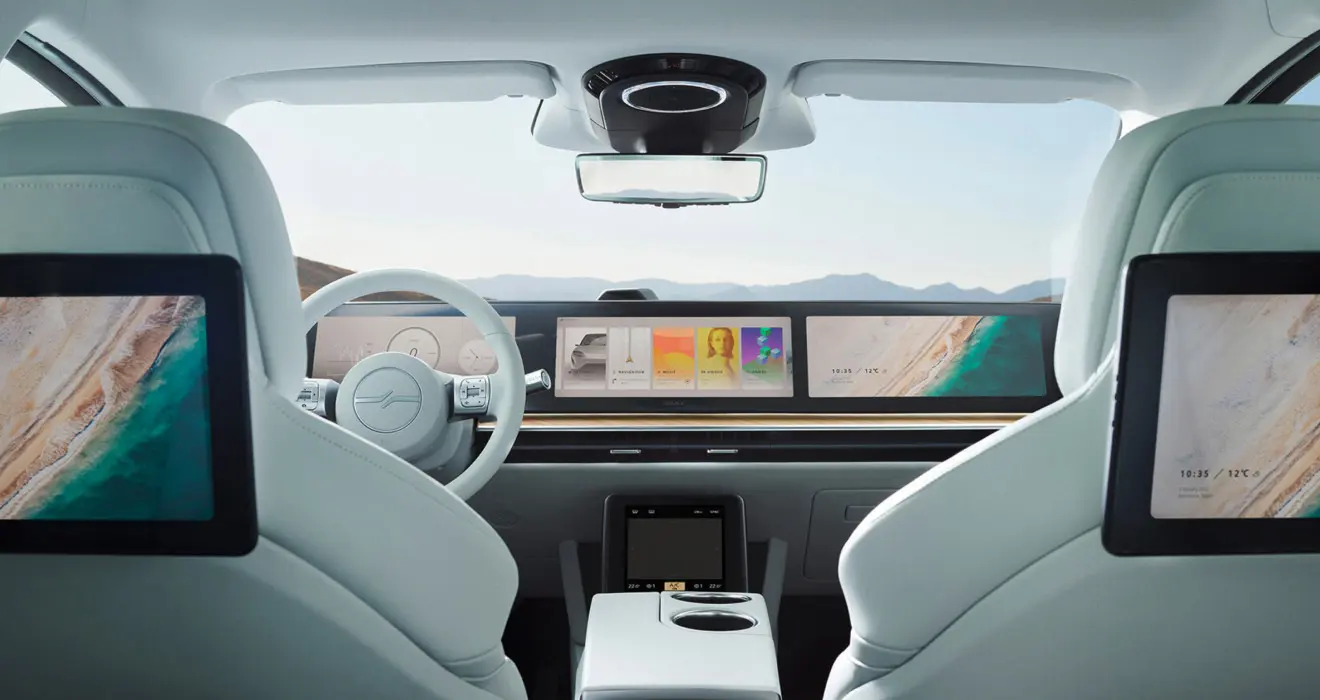
By drawing from smartphones and consumer devices, OEMs can craft automotive HMI experiences that increasingly become the anchor of the user’s digital life. The opportunity lies in creating intelligent, connected “third spaces” that blend mobility, infotainment and personal identity across the whole customer journey. For OEMs, that will mean:
- AI-native cockpit design
- Predictive, intent-driven experiences
- Cross-device digital ecosystem
- Continuous UX improvement via OTA
- Designing for safety, trust & emotional connection
Drive your edge with automotive HMI development
HMI is the bridge between users and the rapidly evolving technologies reshaping mobility. It’s the basis for building emotional connections that combine comfort with new safety and autonomy features. For OEMS, it’s how to leverage data and digital opportunities to drive a real competitive advantage.
But with so much riding on successful HMI development, it’s crucial to get it right. Knowing what users want to see in their vehicles and how OEMs can implement it is crucial. In our new guide "Next-gen automotive HMI: Insights & trends" Star HMI experts reveal:
- What HMI looks like in different markets
- Insider tips and advice for winning HMI development
- The latest HMI trends shaping the market
- Innovative examples from global brands